Jan 3, 2016
Jan 2, 2016
単語(句)と文
文は主語、述語があるものを言います。
日本語を使って例を説明します。
「犬が散歩をしています。」
は文です。
主語と述語のある意味の通る表現なので文です。
文章として成立しています。
反対に
「犬」
「犬が」
「散歩」
「散歩を」
「して」
「しています」
「犬が散歩をして」
などは中途半端で文章としては成り立っていないので、単語または句と呼ばれます。
英語の場合も考え方は同じです。
"A dog is walking." は文。
"a dog"
"a dog is"
"is"
"is walking"
"walking"
などは単語だけで文としては成立していないので、単語または句と呼ばれます。
間違い易いのが後に修飾語がついている名詞です。
① 前に修飾のある名詞: a sleeping baby
② 後に修飾のある名詞: a baby sleeping in the bed
①は名詞(単語)だと分かります。
②を、a babyが主語、sleepingが動詞(述語)だと勘違いして文だと思う人がいます。
sleepingは状態・様子を表す修飾語です。述語ではありません。
下の文のように状態の前にbe動詞があれば文になります。
a baby is sleeping in the bed.
主語 述語
②はisが省略され、名詞の形になっているので単語(または句)と呼ばれます。
また②は下のように関係代名詞が省略されていると見ることもできます。
a baby sleeping in the bed=a baby (who is) sleeping in the bed
なので、
a baby who is sleeping in the bed
も文ではなく単語(または句)です。
下は“a baby who is sleeping in the bed”の単語を使った文です。
A baby (who is) sleeping in the bed is my son.
主語 述語
“a baby who is sleeping in the bed”が主語
“is my son”が述語です。
Jan 1, 2016
自動詞と他動詞
他動詞は後に目的語(O)がきて、
他動詞+O=Oを~する
という意味になります。
自:I walk.=私は(が)歩く。
他:I walk him.=私は犬を歩かせる。
句動詞の場合も動詞の後ろに目的語を置いて、
他動詞+O+状態=Oを~の状態にする
という意味になります。
例1
自:I get up at 7 a.m.=私は7時にupの状態になります(起きます)。
他:I get him up at 7 a.m.=私は彼を7時にupの状態にします(起こします)。
例2
自:I run out of the house.=私は家から走って出た。
他:I run him out of the house=私は彼を家の外に走って出させた。
以下は句動詞の基本の形のパターンです。しっかり覚えてください。
代名詞は動詞と状態の間に置きます。(3、4のパターン)
- 動詞+状態 例 I fell down.
- 動詞+状態+O 例 I took out a cup.
- 動詞+O+状態 例 I took a cup out.
- 動詞+O+状態+場所 例 I took a cup out of the cabinet.
Dec 31, 2015
他動詞の表現(受動と能動)
状態を表すのは前置詞、形容詞、現在分詞、過去分詞などです。
そのうち現在分詞、過去分詞について、受動と能動の関係を復習します。
cover
coverは「覆う」という意味の他動詞です。
coverの状態形は以下の2つです。
covering
covered
coveringは「覆っている」状態を表し
coveredは「覆われている」状態を表します

上のイメージは、
雪の目線では「車をcovering」している状態
車・道路の目線では「雪でcovered」されている状態
目線の違いによって、coveringを使って表現するか、coveredを使って表現するかが変わってきます。
Snow is covering a car.
A car is covered in snow.
Road is covered with snow.
snow covering the road
Snow covering the road is dirty.
a car covered in snow
There is a car covered in snow.
Can you see a car covered in snow over there?
(with snow, in snowの違いはイメージの違いです。
in snowというと雪の中に埋まっているイメージがあって、覆われている感をより大げさに??表現できます)
push

pushは「~を押す」という意味の他動詞
駅員さんはpushing
乗客はpushed
He is pushing people onto a train.
People are pushed onto a train.
a guy pushing people onto a train
A guy pushing people onto a train is tired.
people pushed onto a train
People pushed onto a train are tired.
excite

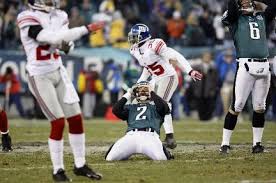
exciteは「興奮させる」という意味の他動詞
ゲームはexciting
観客はexcited
exciting game
excited fan
The game is exciting.
People are excited.
Yesterday's game was exciting.
注意:
上の英語は「昨日の試合は超面白かった。」です。
「面白かった」という日本語の過去形につられて
Yesterday's game is excited
Yesterday's game was excited.
などにしないようにしましょう。
excitedは興奮させられる側を表現する単語です。
(be) excitingの過去形はwas excitingです。
では、↓を英語で表現すると??

Dogs are excited.
exited dogs
Excited dogs are jumping.
tangle

tangleは「絡む」という意味の他動詞
状態はtanglingとtangled
ロープはtangling
犬はtangled
The leash is tangling.
The leash is tangling around my dog.
My dog is tangled.
A dog is tangled with/in the leash.
a dog tangled in a leash
A dog tangled in a leash is annoyed.
そのうち現在分詞、過去分詞について、受動と能動の関係を復習します。
cover
coverは「覆う」という意味の他動詞です。
coverの状態形は以下の2つです。
covering
covered
coveringは「覆っている」状態を表し
coveredは「覆われている」状態を表します
上のイメージは、
雪の目線では「車をcovering」している状態
車・道路の目線では「雪でcovered」されている状態
目線の違いによって、coveringを使って表現するか、coveredを使って表現するかが変わってきます。
Snow is covering a car.
A car is covered in snow.
Road is covered with snow.
snow covering the road
Snow covering the road is dirty.
a car covered in snow
There is a car covered in snow.
Can you see a car covered in snow over there?
(with snow, in snowの違いはイメージの違いです。
in snowというと雪の中に埋まっているイメージがあって、覆われている感をより大げさに??表現できます)
push
pushは「~を押す」という意味の他動詞
駅員さんはpushing
乗客はpushed
He is pushing people onto a train.
People are pushed onto a train.
a guy pushing people onto a train
A guy pushing people onto a train is tired.
people pushed onto a train
People pushed onto a train are tired.
excite
exciteは「興奮させる」という意味の他動詞
ゲームはexciting
観客はexcited
exciting game
excited fan
The game is exciting.
People are excited.
Yesterday's game was exciting.
注意:
上の英語は「昨日の試合は超面白かった。」です。
「面白かった」という日本語の過去形につられて
Yesterday's game is excited
Yesterday's game was excited.
などにしないようにしましょう。
excitedは興奮させられる側を表現する単語です。
(be) excitingの過去形はwas excitingです。
では、↓を英語で表現すると??
Dogs are excited.
exited dogs
Excited dogs are jumping.
tangle
tangleは「絡む」という意味の他動詞
状態はtanglingとtangled
ロープはtangling
犬はtangled
The leash is tangling.
The leash is tangling around my dog.
My dog is tangled.
A dog is tangled with/in the leash.
a dog tangled in a leash
A dog tangled in a leash is annoyed.
Dec 30, 2015
色んな表現
以下にイメージとそれを現す英単語、表現を載せます。
状態の表現が主ですが、動作の文章も載せています。
違いを比べて、状態⇔動作の感覚を復習してください。
(単語、文などは関係なくランダムに載せています。小文字で始まるのが単語、大文字で始まるのが文です。単語と文の違いが分からない人は、単語(句)と文を見てください。)
pulling, pulled

A dog is pulling a cat's tail.
A cat is pulled by a dog.
動作
They pull each other. (彼らはお互い引き合う)
A cat gets pulled. (ネコは引っ張られる)
empty

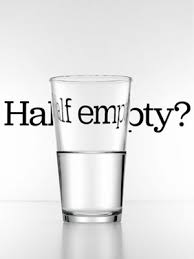
A glass is half empty.
動作:A glass got half empty. (グラスの水が半分になった)

a empty box
full


I'm full.
動作:I got full. (お腹がいっぱいになった)

A box is full.

a half full glass
standing

He is standing.
a standing man
A standing man is wearing a green jacket.
動作:He stands with his hand in the pocket. (彼はポケットに手を入れて立ちます。)

They are standing.
standing people
They are standing in a line.
動作:They stand in a line. (彼らは列を作って立ちます。)

He is standing with a stick.
a standing old man
an old man standing with a stick
There is an old man in a blue pants with a stick.
I met a old man with a stick this morning.
walking

She is walking.
She is walking with a book.
a walking lady
a lady in a white shirt
a walking lady with long hair
She is calling while walking
She is calling while walking with a book in her hand.
A lady in a white shirt is calling while walking with a book.
動作:She walks fast. (彼女は歩くのが早い。)
tired

He is tired.
A tired guy
A tired guy is sleeping with a pen.
動作:He gets tired after school. (彼は学校が終ると疲れる)
stuck
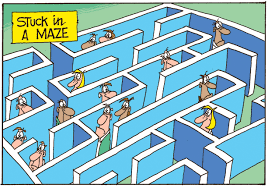

stuck in the mud
A car is stuck in the mud.
a car stuck in the mud
動作:Her car got stuck in the mud. (彼女の車はぬかるみにはまった。)

状態の表現が主ですが、動作の文章も載せています。
違いを比べて、状態⇔動作の感覚を復習してください。
(単語、文などは関係なくランダムに載せています。小文字で始まるのが単語、大文字で始まるのが文です。単語と文の違いが分からない人は、単語(句)と文を見てください。)
pulling, pulled
A dog is pulling a cat's tail.
A cat is pulled by a dog.
動作
They pull each other. (彼らはお互い引き合う)
A cat gets pulled. (ネコは引っ張られる)
empty
A glass is half empty.
動作:A glass got half empty. (グラスの水が半分になった)
a empty box
full
I'm full.
動作:I got full. (お腹がいっぱいになった)
A box is full.
a half full glass
standing
He is standing.
a standing man
A standing man is wearing a green jacket.
動作:He stands with his hand in the pocket. (彼はポケットに手を入れて立ちます。)
They are standing.
standing people
They are standing in a line.
動作:They stand in a line. (彼らは列を作って立ちます。)
He is standing with a stick.
a standing old man
an old man standing with a stick
There is an old man in a blue pants with a stick.
I met a old man with a stick this morning.
walking
She is walking.
She is walking with a book.
a walking lady
a lady in a white shirt
a walking lady with long hair
She is calling while walking
She is calling while walking with a book in her hand.
A lady in a white shirt is calling while walking with a book.
動作:She walks fast. (彼女は歩くのが早い。)
tired
He is tired.
A tired guy
A tired guy is sleeping with a pen.
動作:He gets tired after school. (彼は学校が終ると疲れる)
stuck
stuck in the mud
A car is stuck in the mud.
a car stuck in the mud
動作:Her car got stuck in the mud. (彼女の車はぬかるみにはまった。)
I'm stuck.

She is stuck in her job.
bored, boring

boring meeting

boring game
This game is boring.

He is boring.
She is bored.
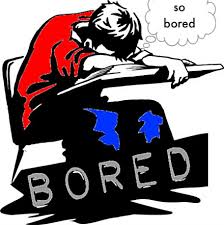
I'm so bored.
動作:I got bored. (暇になった)
blocked, blocking


blocking the road
The big rock is blocking the road.
The road is blocked.
動作:The road got blocked. (道がふさがった)

A slow car is blocking a fast lane.
shocked, shocking


He is shocked.
shocking news
It's very shocking.
動作:He got shocked. (彼はショックを受けた。)
expired


It's expired.
動作:It got expired. (期限が切れた)
tight
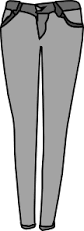
tight pants

This blouse is too tight.
動作:This blouse got tight in the dryer. (このブラウスは乾燥機にかけてきつくなった。)
done


動作:It got done. (終った)
against



standing against the wall


A bird is flying against the wind.
up



down

sliding down


Sunny sides are up.
動作:get sunny side down (黄身を下にする)

He is facing down on the bed.
動作:He gets his face down while sleeping.=He faces down while sleeping. (彼は寝るとき顔を下にする。)
out

I'm out of office.

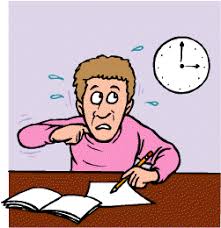
I'm running out of time.
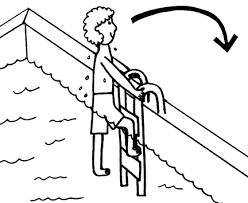
He is getting out.
動作:He got out (彼は外に出た)
boring meeting
boring game
This game is boring.
He is boring.
She is bored.
I'm so bored.
動作:I got bored. (暇になった)
blocked, blocking
blocking the road
The big rock is blocking the road.
The road is blocked.
動作:The road got blocked. (道がふさがった)
A slow car is blocking a fast lane.
shocked, shocking
He is shocked.
shocking news
It's very shocking.
動作:He got shocked. (彼はショックを受けた。)
expired
It's expired.
動作:It got expired. (期限が切れた)
tight
tight pants
This blouse is too tight.
動作:This blouse got tight in the dryer. (このブラウスは乾燥機にかけてきつくなった。)
done
動作:It got done. (終った)
against
standing against the wall
A bird is flying against the wind.
up
down
sliding down
Sunny sides are up.
動作:get sunny side down (黄身を下にする)
He is facing down on the bed.
動作:He gets his face down while sleeping.=He faces down while sleeping. (彼は寝るとき顔を下にする。)
out
I'm out of office.
I'm running out of time.
He is getting out.
動作:He got out (彼は外に出た)